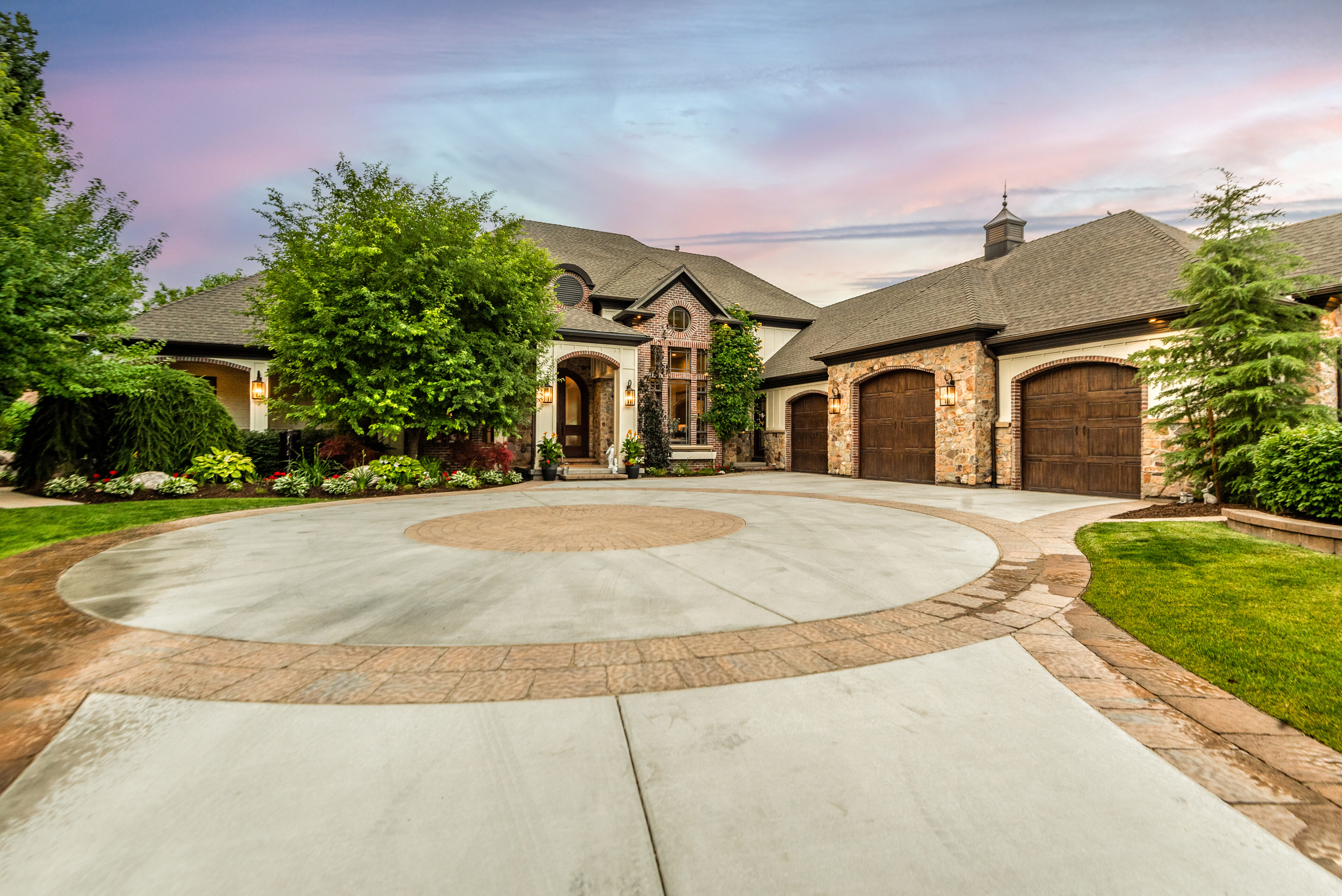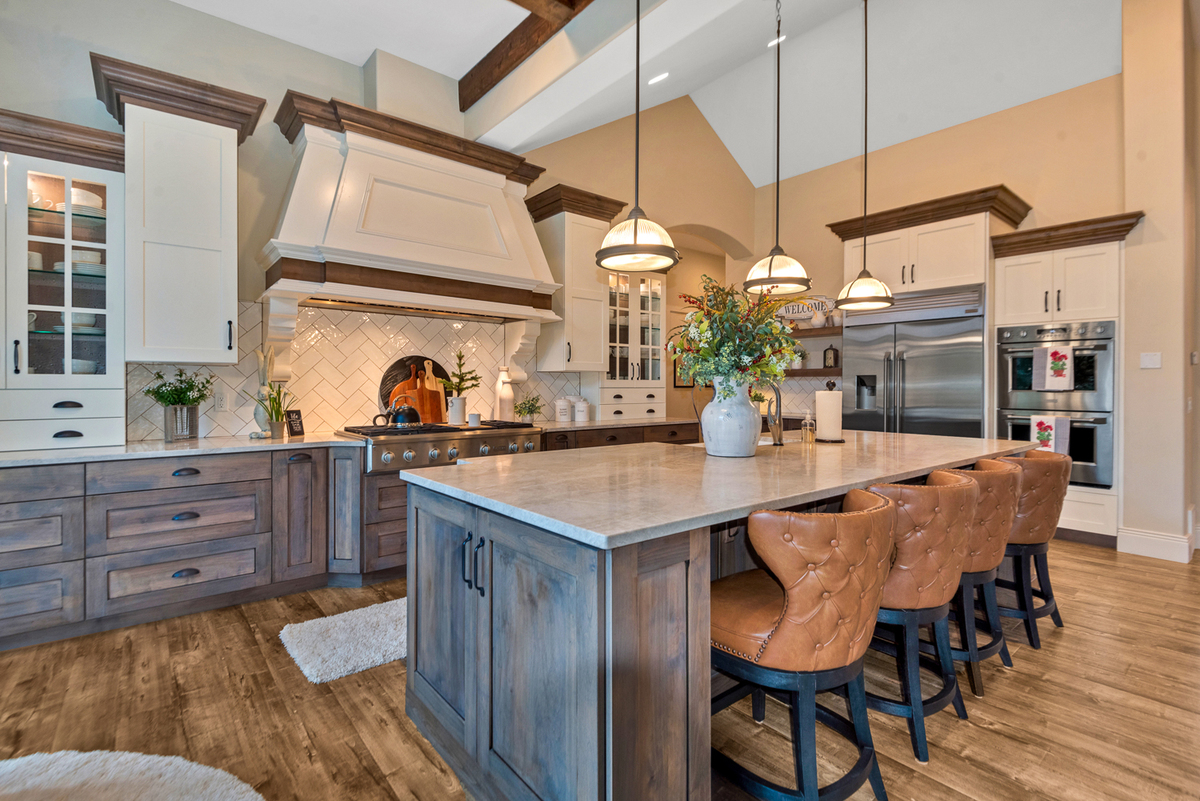
See how prices, inventory, and micro-neighborhoods are shifting across the Salt Lake area, and what it means if you're buying or selling this year.
There’s a lot of nervous energy in the Salt Lake market right now. Agents keep coming into my office worried because their listings aren’t moving, and plenty of buyers and sellers are wondering if something is about to break. The truth is calmer than the worry. The Utah market has changed, but changed markets reward the people who understand them, and that starts with knowing the real numbers.
Prices now span a wide range. Depending on where you look, prices across the region tell very different stories. In Alpine, the median single-family home is running around $1.5 million, while out in Dugway, you can still find a median closer to $332,000. In the Salt Lake Valley itself, the average sits near $645,000, the highest we’ve seen since the second quarter of 2022, back when interest rates were sitting in the 3% to 4% range. Rates climbed after that, demand shifted, and the market found a new normal.
Why some homes aren’t selling. When a property sits, it usually comes down to three things. The first is pricing, because homes that aren’t priced correctly simply get skipped. Condition and showability come next, since buyers today expect a home shown at its best. The third, and the one where a lot of listings quietly fall short, is marketing and positioning. Fix those three, and most homes move.
“Buyers look at 100 homes online, narrow to 10, and pick one, so yours has to be that one.”
Days on market are climbing. The average days on market across the Wasatch Front is now about 52, up from this time last year. That climb sounds alarming until you see the reason behind it, which is simply that we have a bit more inventory than we did a year ago. At the same time, homes under contract are also up, so buyers are still active and still writing offers.
The market moves in pockets. One number never tells the whole story, because micro-neighborhoods have micro-changes. Our East Bench is running about 44 days on market, while the West Bench is closer to 57, even though both sit inside that same 52-day regional average. Some zip codes are appreciating, while others are competing head-to-head with new construction that’s offering incentives like finished basements and lower interest rates. If you bought between 2018 and 2021, that competition is real, and it changes how you should price and position your home.
Exposure is what sells today. Knowing your numbers is only half the job. Buyers now follow what I call the 100/10/1 rule, where they look at 100 homes online, narrow to their top 10, and choose 1. To be that one, your home has to be seen everywhere buyers are looking, not just on the MLS. Strong video tours and 3D walkthroughs do exactly that. I’ve sold two homes to buyers who never set foot inside until the day they got the keys, because the online presentation was good enough to earn the offer on its own.
The fundamentals are still strong. A lot of people feel like a big correction is coming, and I understand the nerves. Markets always change, just not always in the way people expect. In 2008, we had widespread distressed sellers, high unemployment, and genuinely bad lending practices, and today’s picture looks nothing like that. Utah’s economy keeps outpacing the nation with strong job growth and low unemployment. Buyers are still qualified, and rates have settled into the mid-6% range after bouncing between roughly 6% and 7% this past year. It’s a strong market, just one that rewards preparation.
So if you’re thinking about buying, selling, or investing, the smartest move right now is to evaluate your specific situation with today’s data, not yesterday’s. Every neighborhood, and honestly every street, is telling its own story, and I’d be glad to walk you through exactly what yours is saying. Call or text me at (801) 285-0521, email me at Justin@JustinUdy.com, or visit justinudy.com. Let’s put together a plan that fits where the market actually is today.