Three Salt Lake County properties, one price, completely different features. I break down which one fits which buyer.
I get this question from buyers constantly: What can I actually get for $700,000 in the Salt Lake market? It comes up so often that I decided to turn it into a full comparison. For a reference point, around the time I put this together, the average sold price in Salt Lake County was about $653,000, with a median of roughly $263 per square foot.
The honest truth about Salt Lake is that the same budget can buy three completely different lifestyles, depending on which part of the valley you choose.
The Avenues trades square footage for historic, walkable living. Up in the Avenues on the north end of the county, $700,000 buys something under 2,000 square feet, an older mid-1900s home, three bedrooms, and two baths. What you’re really paying for is location: close to downtown, close to entertainment, and genuinely walkable. Demand stays high here largely because land is scarce, and the schools are solid without being over the top, with the University of Utah right there.
“Same price, completely different life. That’s the part about Salt Lake that surprises people.”
If you work downtown, at the U, or at one of the medical employers like Huntsman Cancer Institute, the commute is quick, and the airport is only about ten minutes out. These homes tend to hold their value exceptionally well, in part because higher-income buyers form an emotional tie to the area and its proximity to their workplaces. The trade is space for historic appeal and an urban lifestyle.
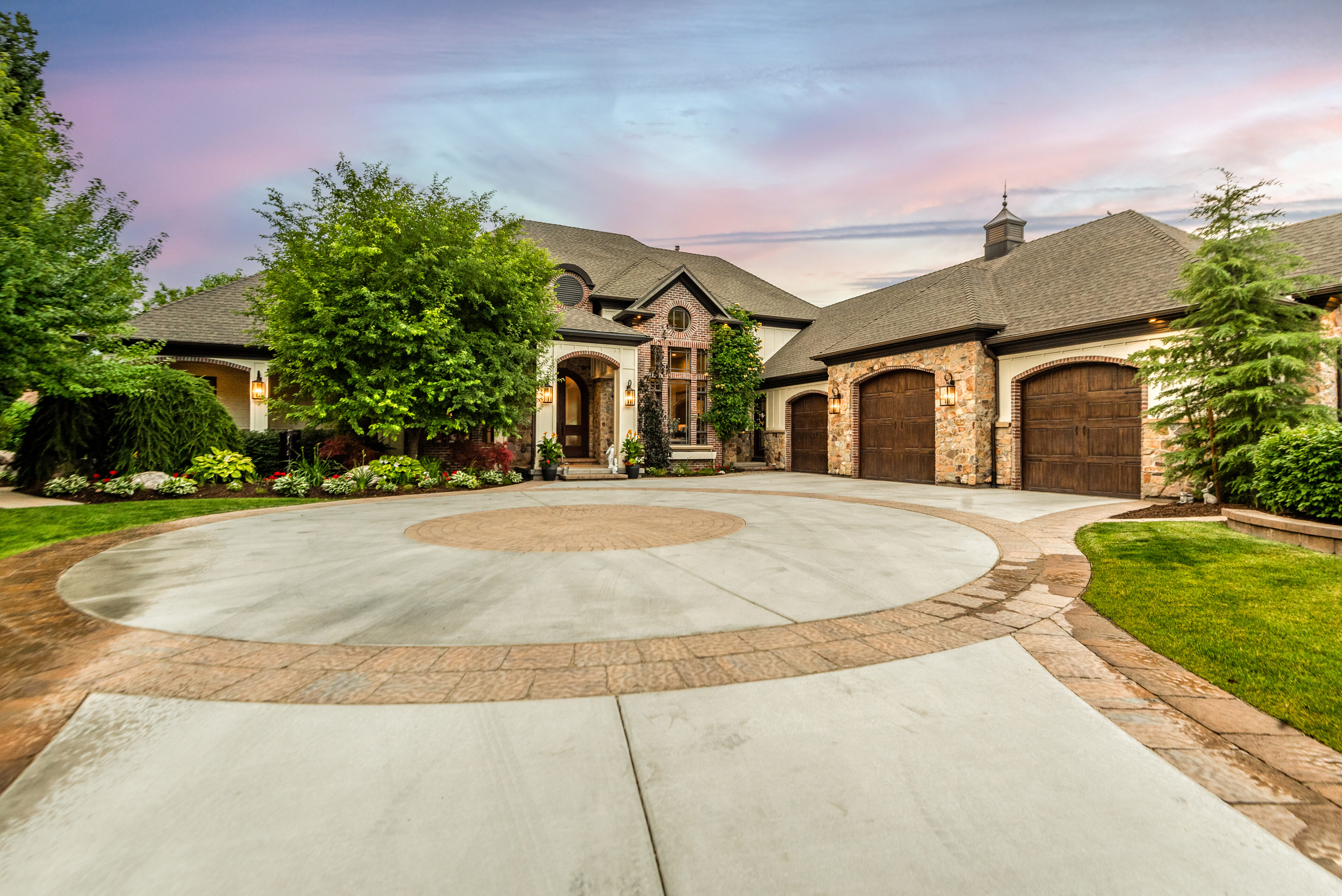
South Jordan gives you the most space for the money. Down on the southern end of the valley, the math shifts toward size. South Jordan properties tend to be larger, with bigger yards, cul-de-sacs, and a more family-oriented feel, so this is often where a family lands when they want to upgrade in size after a downtown starter home. Jordan and Granite are solid school districts here.
The trade-off is the commute: you’ll lean on your car a lot more, and getting downtown or to the airport takes longer, though plenty of folks out here also work on the south end in Draper, Riverton, or Herriman.
This is the biggest bang for your buck on value, and because it’s family housing, there’s always demand. You do see more competition, since a lot of homes built in the ’70s, ’80s, and ’90s are now being updated and renovated, but that steady family demand is exactly what keeps these holding up.
Millcreek splits the difference with central access. Millcreek is the middle path. After World War II, this area was filled in with new construction alongside a lot of older homes, so you can buy an older place with a larger lot and renovate, or, like the roughly $700,000 example here, get newer construction. This particular one is a twin home, which is worth pointing out because the appreciation on a twin home on an infill lot can behave a little differently than a standard single-family.
The draw of Millcreek is its central location, a better commute than the south end, more modern options than some of the Sugar House stock, and easy access to skiing, downtown, and the area’s growth. Granite School District gets mixed reviews here, and Jordan is strong, so call it solid overall.
The commute may be the best of the three, since that belt-route access lets you head downtown, go south, or get up to the mountains from one central hub. You give up South Jordan’s big lot and the Avenues’ historic charm, but central infill locations are tough to come by, demand stays high, and ongoing development keeps drawing people in.
Same price, completely different futures. Here’s the part about Salt Lake that still surprises people. You can buy a downtown historic home, a suburban home on a third of an acre, or brand-new construction in the middle of the city, all for roughly the same price. Same number, completely different life.
That’s why I always tell buyers to evaluate a home the way an investor would, weighing appreciation, walkability, and lifestyle side by side rather than chasing one feature. Make your list of what matters most to you, hold each property up against it, and when a home checks every box, that’s the one worth pursuing.
So if you’ve been weighing options on the market and you want real data on why one area might stack up better on appreciation or fit your life more closely, that comparison is exactly what I love to do. Whether you’re looking to sell, buy, or weigh a few downtown and suburban options, give us a call today. Reach me at (801) 285-0521, email me at Justin@JustinUdy.com, or visit justinudy.com. I’m looking forward to helping you find the property that checks every box.